The green season in Chobe runs from about November to March, with the heaviest rain in December, January and February. Expect afternoon storms, hot humid days, green landscapes, newborn impala from mid November, migrant birds, and the zebra migration through Savuti. Game is more spread out than in the dry season, the tar roads stay open, but some sand and black cotton roads, such as those to the Savuti Marsh, can close after heavy rain. Lodges and camps charge their lowest rates.
Key facts
- Rainy months: November to March; wettest December to February (Kasane about 150 to 160 mm in December and January).
- Dry season: May to September has almost no rain in Kasane.
- Wildlife: impala births in mid November, zebra migrating through Savuti, Palearctic migrant birds from about October to April.
- Roads: the tar stays usable; some Savuti and Linyanti sand roads closed after heavy rain in January 2025 and January 2026.
- Health: Chobe is a malaria area. Speak to a travel clinic before you go.
When is the green season in Chobe?
Botswana Tourism describes summer, the rainy season, as November to March, with October and April as transition months and January and February as the peak of the rains. Chobe District gets the highest rainfall in Botswana. Travel operators often call this the green season, because the bush turns green within weeks of the first storms.
Sources differ on the exact edges. Some operators count November to April, and one weather service gives the rainy period in Kasane as mid October to late April. Rain usually arrives as short, heavy afternoon storms rather than all-day rain.
Kasane weather, month by month
Average rainfall and temperatures in Kasane, 1991 to 2020 climate normals, from Climates to Travel:
| Month | Rain (mm) | Season |
|---|---|---|
| October | 20 | Hottest month, first storms possible |
| November | 65 | Rains begin, impala births |
| December | 150 | Wet, green |
| January | 160 | Wettest month |
| February | 135 | Wet |
| March | 80 | Rains easing |
| April | 15 | Transition, river high |
| May to September | 0 to 1 | Dry season |
October is the hottest month, with average highs of about 35.5 C. The coldest nights are in July, averaging about 9 C, so the green season is hot rather than cold. The annual total is about 625 mm.
Wildlife in the green season
- Animals spread out. After the first good rains, usually from late November, seasonal pans fill and elephants and buffalo move away from the Chobe River into the bush. You will see fewer huge herds on the riverfront than in September or October.
- Baby animals. In Chobe, research found about 90% of impala lambs are born within two weeks in mid November, so predators are busy.
- The zebra migration. From about late November and December, zebra leave the Chobe and Linyanti rivers and travel south through Savuti towards Nxai Pan and the Makgadikgadi, returning north from about March and reaching the Chobe again from April to early July.
Birds: the best time of year
The green season is prime birding time. Palearctic migrants from Europe and Asia are present from about October or November to March or April, and many resident species breed in their bright colours. The floodplain near Muchenje is good birding ground.
One exception: carmine bee-eaters are a dry-season sight. They arrive around August and September and leave by about November or December.
The Chobe flood: why the river rises after the rain
The Chobe floodplain does not simply fill with local rain. Much of its water comes from the Zambezi. The Chobe starts rising in January and typically peaks around April, as Zambezi floodwater pushes back up the Chobe into the floodplains from late March. So the floodplain is at its fullest after the rains have ended, around March to May.
Camping in the rainy season: your questions
- Is it possible to camp in the rains? Yes. Lorato is open all year and takes guests at any time, and the rains arrive mostly as short afternoon storms. Expect a wet tent and a muddy boot, not a washed-out trip.
- No tent, or a tent you do not trust? We hire tents at $55 per night, including the camping fee. Each sleeps 2 and has beds, mattresses and bedding.
- Does it cost less? Lorato's high season is April to October, so November to March is outside it. We give 10% off longer stays and groups of 5 or more in all seasons for now. Ask us when you book. The exact number of nights that counts as a longer stay is set when you book.
- Is it hot? Yes. October is the hottest month at about 35.5 C, and the humid, stormy months follow.
- Malaria: Chobe is a malaria area and the risk is higher in the rains. See a travel clinic.
- Cash and fuel: the Shell in Muchenje is 1 km from Lorato, and there are no ATMs nearby, so draw cash in Kasane first.
Roads in the rainy season
Check conditions before you travel. Road closures are announced at short notice after heavy rain.
- Tar roads such as the transit road from Ngoma to Kasane and the road to Kachikau remain the reliable routes.
- Savuti. In January 2026 the Department of Wildlife and National Parks announced closures, reported by ATTA: the Mababe to Savuti Marsh road and the Ghoha to Linyanti road were closed, and the Sand Ridge road had deep water. Similar closures happened in January 2025. Inside Savuti, black cotton soil turns to thick mud when wet.
- Kachikau to Ghoha Gate is deep sand. Rain can firm some sand, but water-filled holes and mud make it slower.
- The Chobe riverfront: tracks close to the water can flood in January and February, while higher tracks usually stay usable.
- Travel together: the advisories recommend not travelling alone on remote routes and carrying a satellite phone.
Read our Kasane to Savuti guide before heading south.
Driving wet roads and mud
- Stay on the tar when you can. The transit road and the road to Kachikau stay open.
- Black cotton soil in the Mababe and Savuti area turns to thick mud when wet, and the Mababe Depression's soil can become impassable (see our Kasane to Maun guide). If it is wet, do not try it alone.
- Travel with a second vehicle, carry a satellite phone or communicator, and take recovery gear: traction boards, a shovel, a tow strap and a compressor.
- Do not enter standing water you cannot see the bottom of, and turn back rather than force a section that is already rutted.
- Allow extra time. Sand firms a little after rain but water-filled holes slow every leg.
- Ask before each leg. The campsite or the park gate knows the road best, and you can message us on WhatsApp too.
Savuti routes in the rains
On 23 January 2026 the Department of Wildlife and National Parks reported the Mababe to Savuti Marsh Road closed, the Sand Ridge Road open with deep standing water, and the Ghoha to Linyanti boundary road closed (ATTA). Similar closures happened in January 2025. If you want to reach Savuti or Maun in the rains, you have three choices:
- Go in the dry season (May to October) for the sand route. Our Kasane to Savuti guide has the road conditions block, last checked 23 October 2026.
- Take the Sand Ridge Road only if the gate or your campsite says it is open and passable.
- Drive the tar to Maun via Nata if you are short of time or have a normal car: about 600 km on tar, with no sand and no park fees.
Pros and cons of a green-season trip
Pros
- Lower prices: lodges and camps publish their lowest rates for this season.
- Fewer vehicles at sightings and quieter campsites.
- Green landscapes, dramatic skies and clear air for photography.
- Newborn animals, migrant birds and the zebra migration.
Cons
- Hot and humid days, and afternoon thunderstorms.
- Game is spread out and harder to find away from the river.
- Some sand roads close after heavy rain.
- Higher malaria risk. The CDC lists Chobe as a malaria area where antimalarials are recommended.
If you want the big elephant herds on the river, come between May and October, which is peak season. If you want space, birds and lower prices, the green season is worth it.
Where to stay in the green season
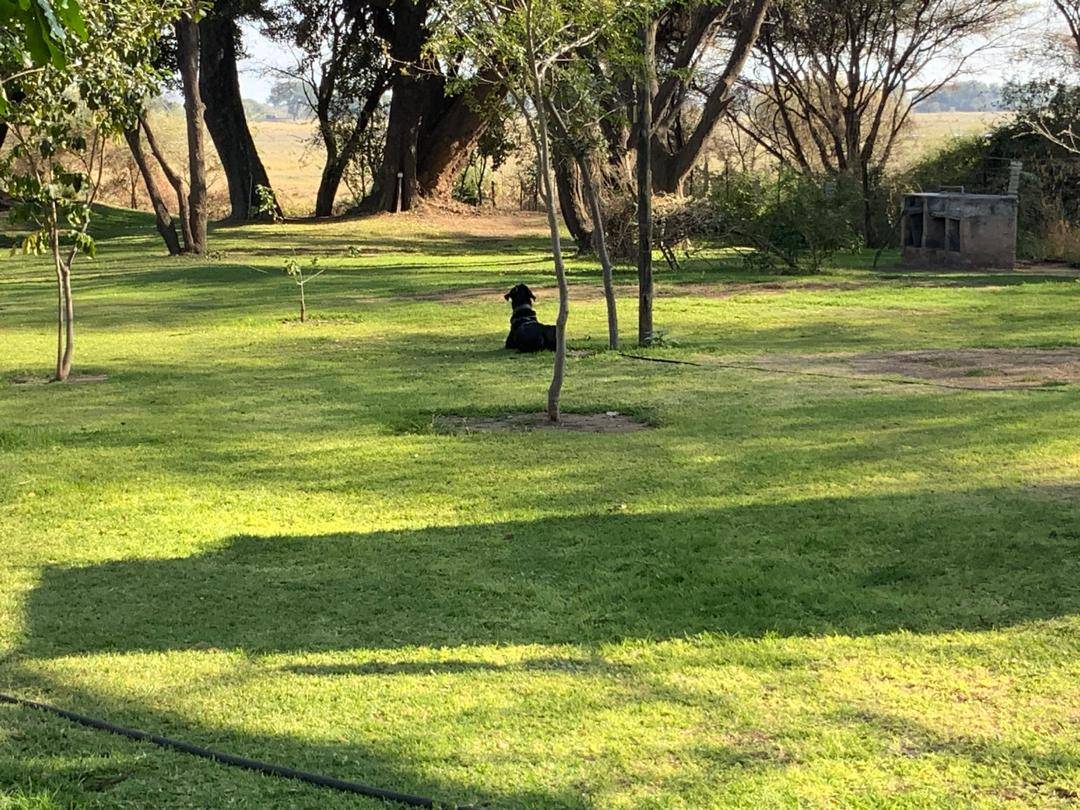
Lorato is a green grass campsite in Muchenje, on the tar road near the Ngoma border and about 7 km from the Ngoma Gate of Chobe National Park. Being on the tar is useful in the rains: you can reach us without tackling sand, then plan the next leg once you know what the roads are doing. Lorato is open all year, including February, and guests can check in at any time.
Frequently asked questions
When is the rainy season in Chobe?
About November to March, with the heaviest rain in December, January and February. October and April are transition months.
Is the green season a good time to visit Chobe?
Yes, if you want lower prices, fewer vehicles, newborn animals and excellent birding. Game is more spread out than in the dry season, and some sand roads can close after heavy rain.
When is the best time to see elephants in Chobe?
The dry season, roughly May to October, when elephants gather on the Chobe River. September and October are the busiest months on the river.
Are the roads to Savuti open in the rainy season?
Not always. In January 2025 and January 2026 several Savuti and Linyanti roads were closed after heavy rain. Check the latest advisory before you set off, and do not travel alone.
When does the Chobe River flood?
The Chobe usually starts rising in January and peaks around April, as Zambezi floodwater backs up into the Chobe floodplains.
Can you camp in Chobe in the rainy season?
Yes. Lorato is open all year and takes guests at any time, hire tents are $55 per night, and the tar roads stay open. Expect short afternoon storms and heat, and check the sand roads before you go.
Is camping cheaper in the green season?
At Lorato the high season is April to October, so November to March is outside it. We give 10% off longer stays and groups of 5 or more in all seasons for now. Park fees and other operators' rates are separate.
Is Lorato open in the green season?
Yes. Lorato is open all year, including February. Guests can check in at any time, and someone is always available.
Is there malaria in Chobe in the rainy season?
Chobe is a malaria area, and risk is higher in the rainy months. The CDC recommends antimalarials for travel there. Speak to a travel clinic before you go.
More guides for your route
Sources
Checked 23 October 2026. Rules, hours and fees change, so confirm with the official source before you travel.
- Botswana Tourism Organisation: climate
- Botswana Tourism Organisation: best time to visit
- Climates to Travel: Kasane climate (1991 to 2020)
- Weather Spark: average weather in Kasane
- Expert Africa: migrations in Botswana
- Chobe Game Lodge: green season in Botswana
- Pangolin Photo Safaris: migrant birds of Botswana
- ATTA: Chobe road advisory after heavy rains (January 2026)
- SKL Camps: the 2025 rain and flood impact across Botswana
- Aberystwyth University: the Chobe-Zambezi channel floodplain system
- CDC: health information for travellers to Botswana